Ecological Restoration on Kingman and Heritage Islands
As a natural oasis adjacent to the District’s urban core, the conservation and restoration of Kingman + Heritage Islands are the top priority. From 2022-2025, DOEE grantees, Resource Environmental Solutions (RES) and Sarver Ecological, created a comprehensive ecological restoration plan for the Islands. First, they conducted an inventory and analysis of plant and animal species to better understand patterns of movement to support natural ecosystem development on Kingman + Heritage Islands. Crews then removed legacy concrete, creosote poles, and construction debris; cleared over 37 acres of invasive plants; and planted 35,000 native trees, shrubs and perennials based on the Plant Community Plan and Plant Community Map.
These efforts will restore the seed bank and help native flora re-emerge. Wildlife and areas of special conservation need, such as the vernal pools and Virginia mallow field, are being preserved and protected. A maintenance plan provides guidelines to continue to control invasive plant overgrowth and native plant propagation and provides guardrails for protecting ecosystems during design and construction of trails and amenities.
Nerd out with us and dive deeper into the work they did in the following reports:
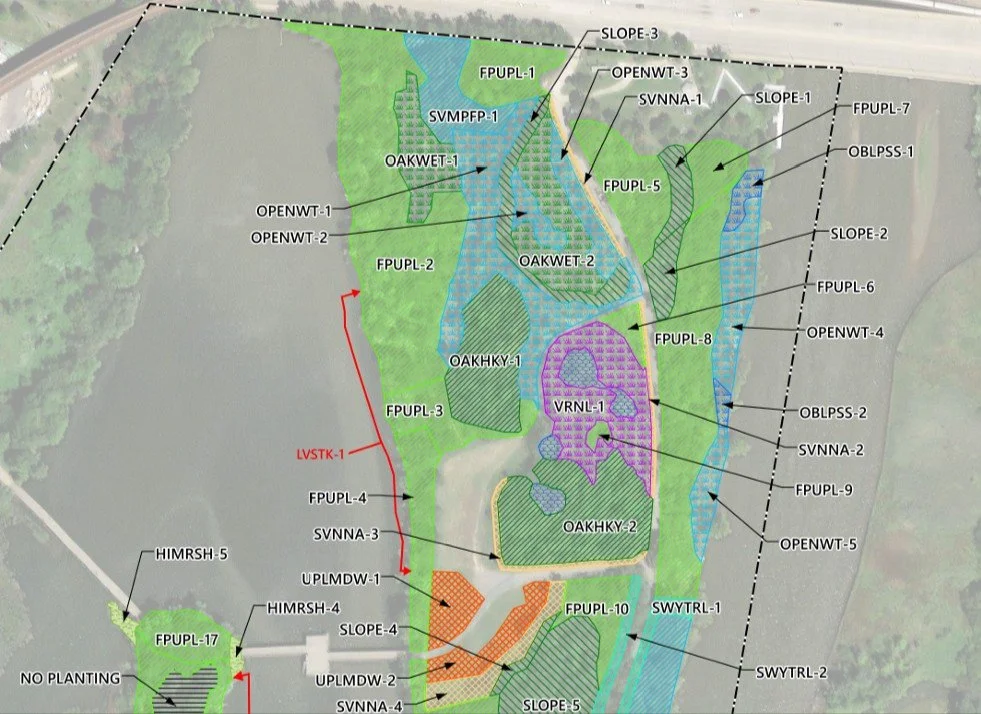
A Target Plant Communities Map for the northern portion of Kingman Island
Plant Community Plan (PDF) and Plant Community Map (PDF)
Explains how the plant communities were determined for the restoration project based on multiple factors:
existing native plant community structure and floristics
locally and regionally appropriate reference communities
historical records
soil chemistry
levels of contamination
spatial ecology for target wildlife, viewsheds, and opportunities to explore novel species assemblages
Defines and outlines distinct habitat communities within the Islands’ upland forests, upland open areas, and wetlands
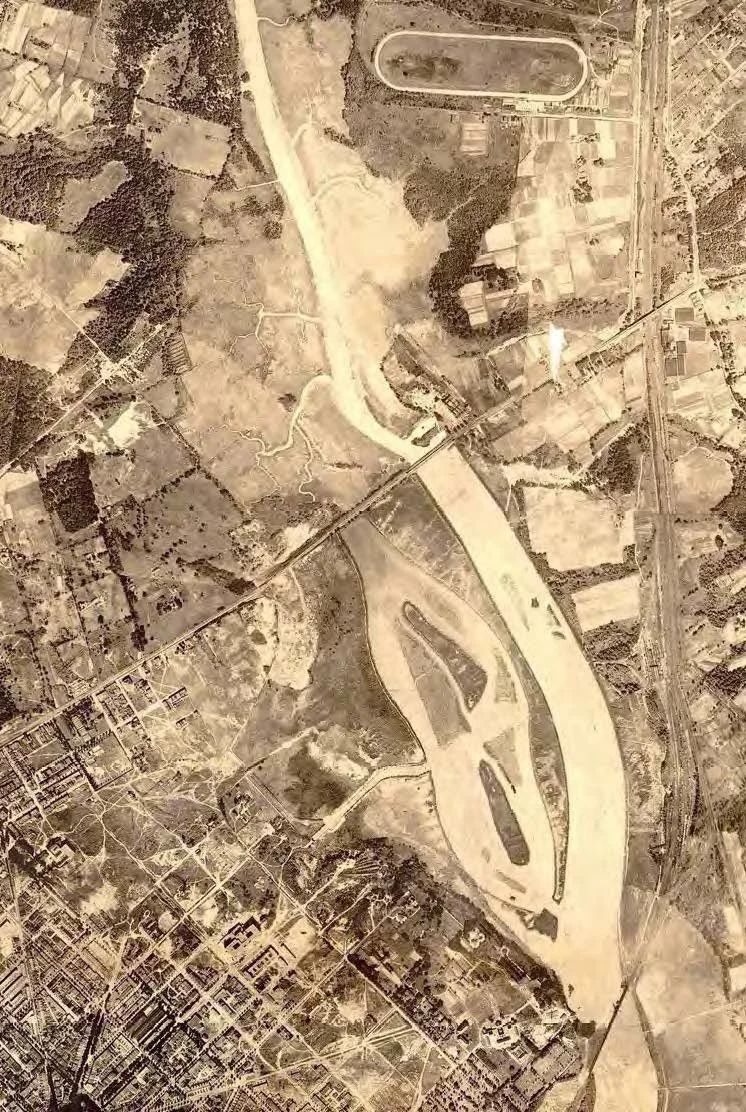
1922 Aerial Photo of Kingman and Heritage Islands
Site Characterization Report (PDF)
Provides historical context for the creation of the Islands and its uses over the years.
Summarizes more than 15 years of ecological work on the Islands.
Outlines pre‑restoration assessments, habitat characterization methods, and key findings that informed the project’s overall restoration and planting strategy.
Wildlife Assessment Report (PDF)
Examines the ecological significance of the restoration area
Documents over 70 Species of Greatest Conservation Need (SGCN).
Includes detailed analysis of wildlife presence, habitat use, and species interactions.
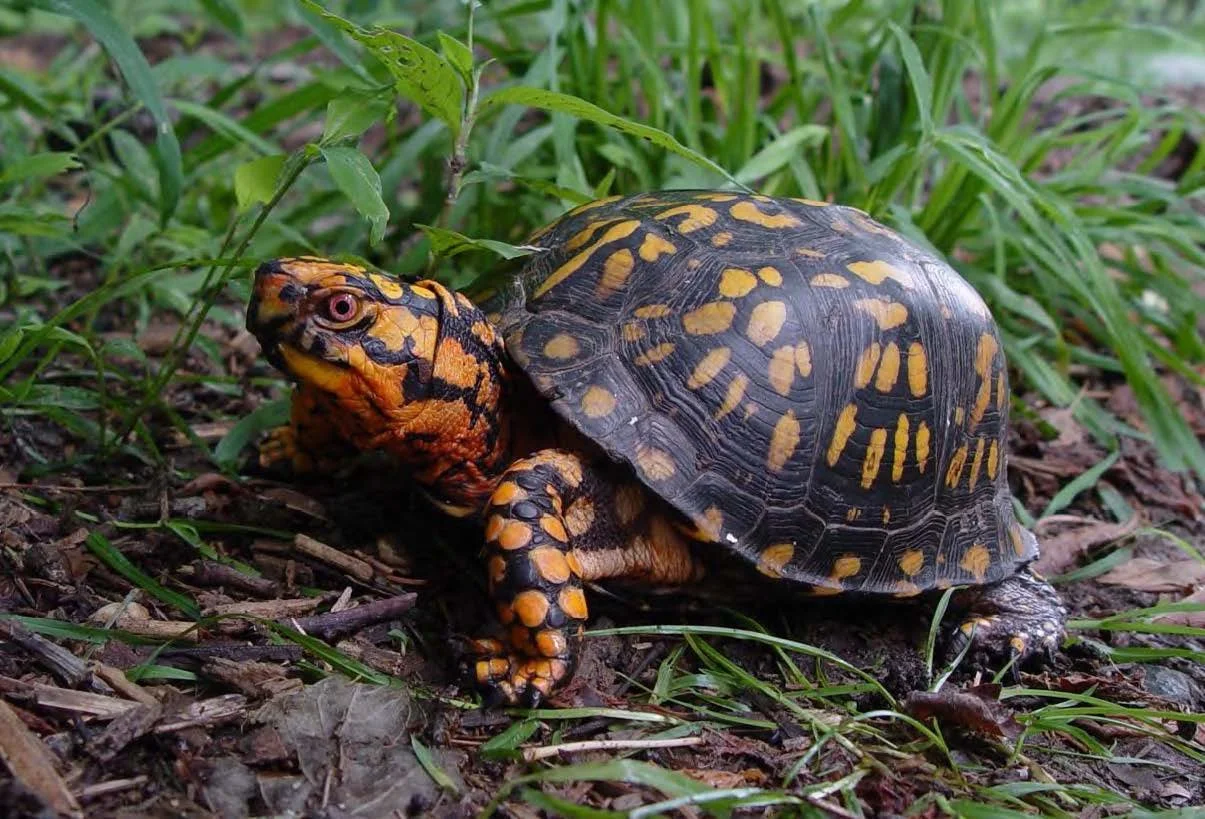
Eastern Box Turtle (Terrepene carolina) | Photo by Jim White
Soils Report (PDF)
Presents soil analyses conducted for the project, including methodology, results, and interpretation.
Findings support restoration design and planting plans and include limited assessment of soil contaminants.
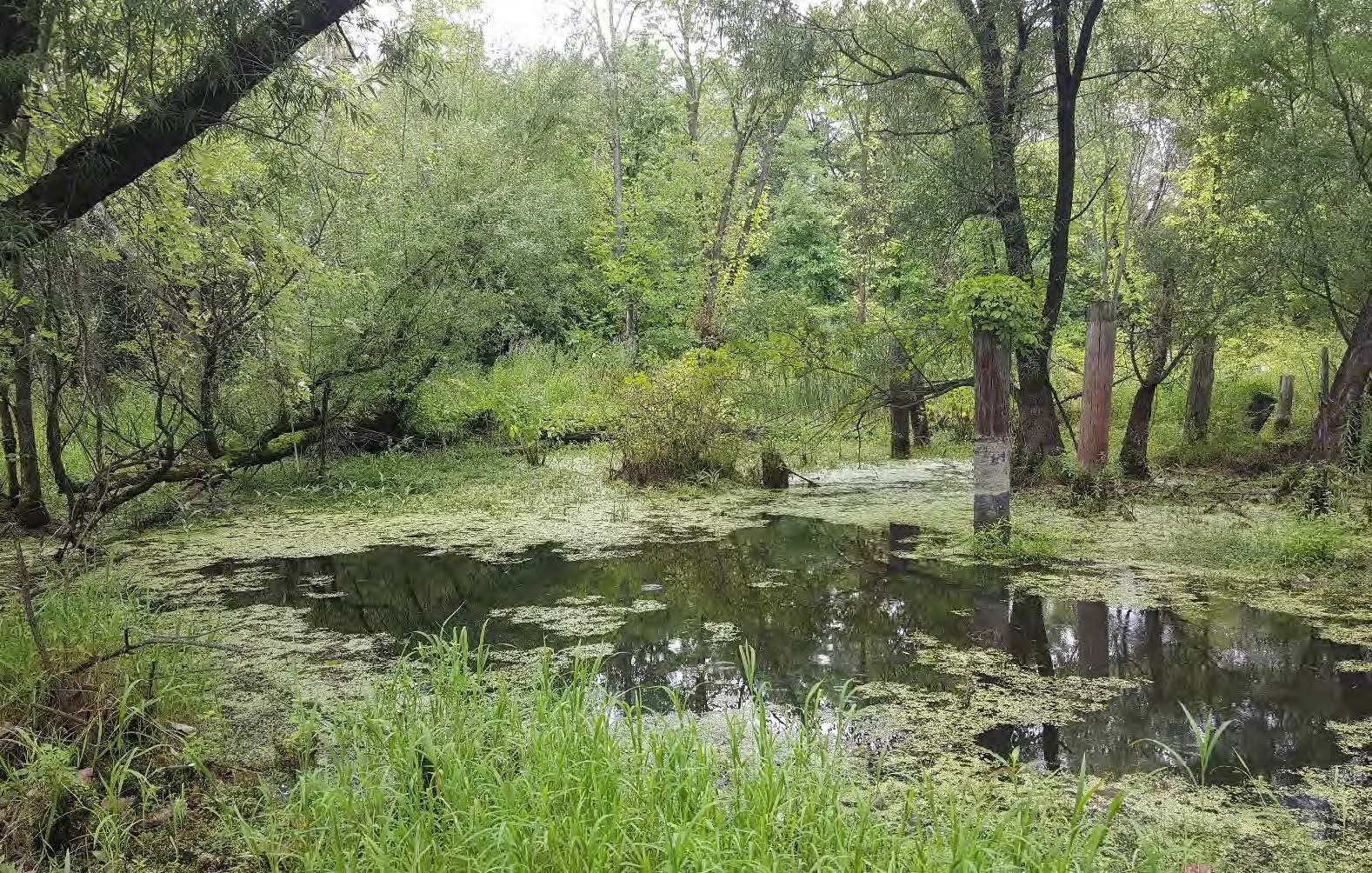
Vernal Pool Habitat | Photo by RES
Floristic Quality Assessment Report (PDF)
Documents baseline vegetation conditions, methods, species richness, and ecological value.
Includes detailed analysis and mapping of floristic quality before and after restoration activities.
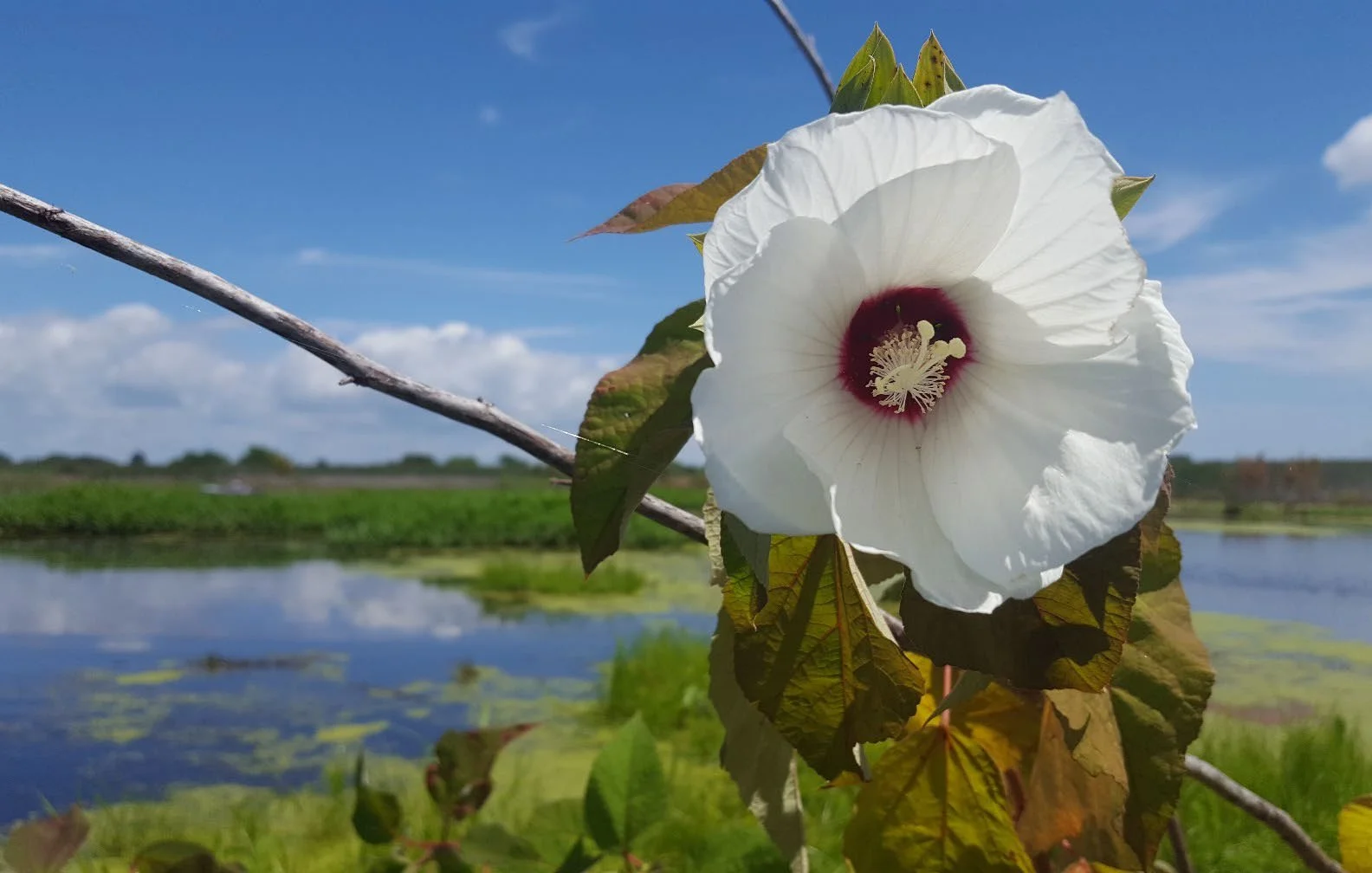
Rose Mallow (Hibiscus moscheutos) | Photo by RES
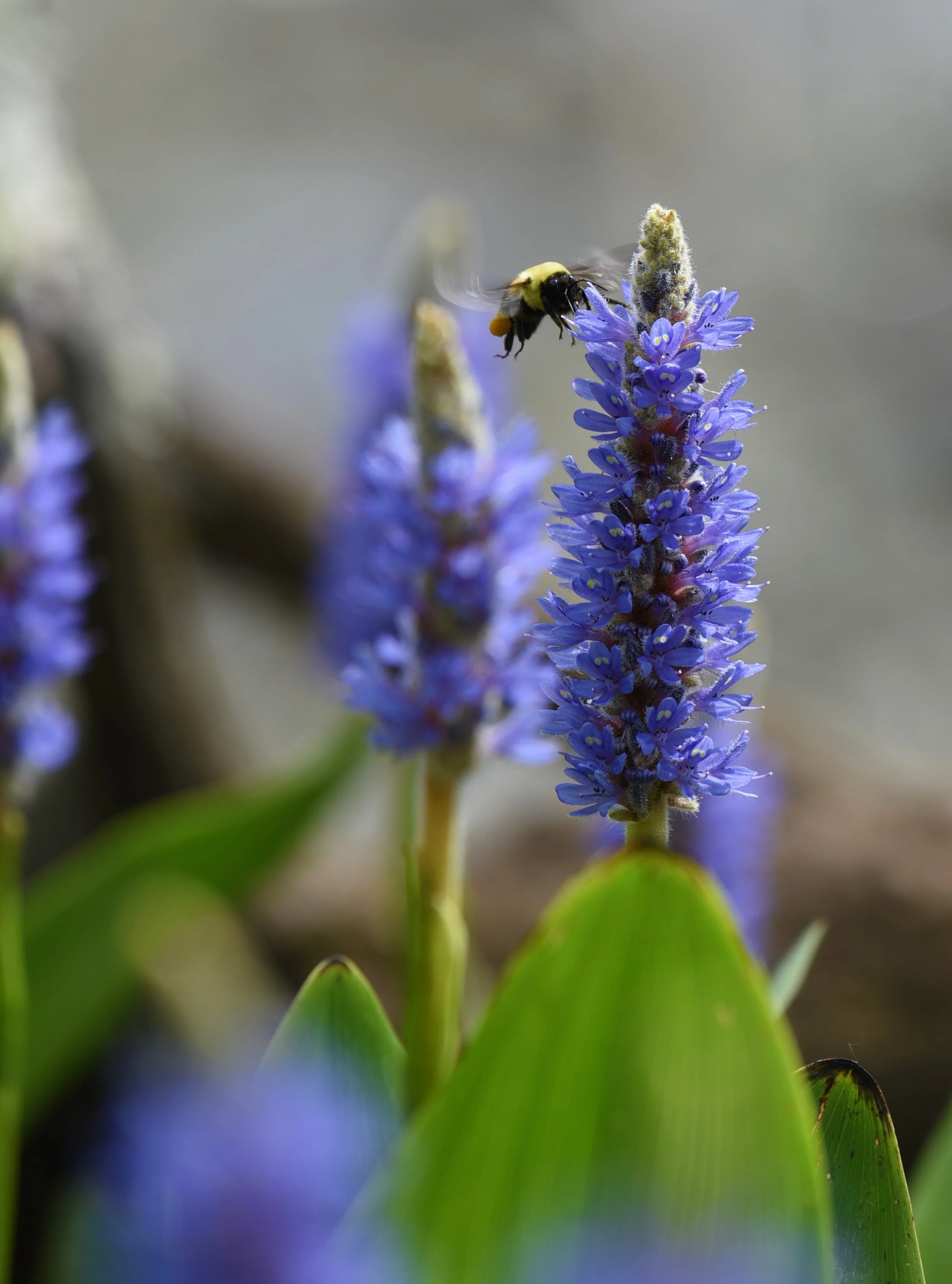
Pickerelweed (Pontederia cordata) | Photo by Dan Rauch for DOEE
Restoration Plan for Native Plant Communities (PDF)
Outlines restoration goals and guiding philosophy, informed by soil chemistry and historical species occurrences.
Provides comprehensive planting palettes tailored to the various habitat types across the conservation area.
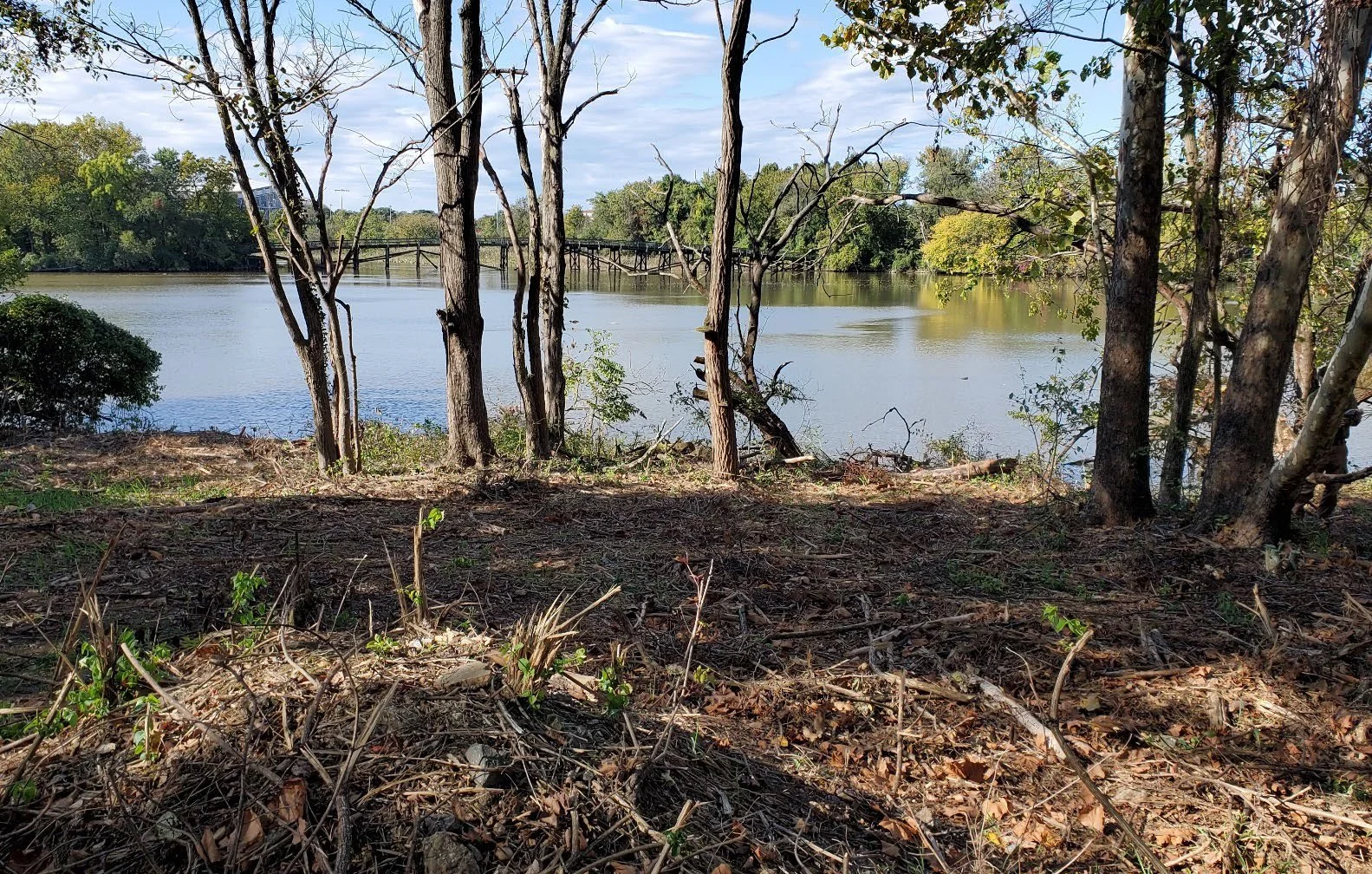
Invasive Species Management Plan (PDF)
Inventories invasive species by vegetation layer and maps their distribution before and after restoration.
Describes management goals, strategies, and recommended seasonal activities aimed at reducing invasive populations and promoting native species recovery.
Photo by RES
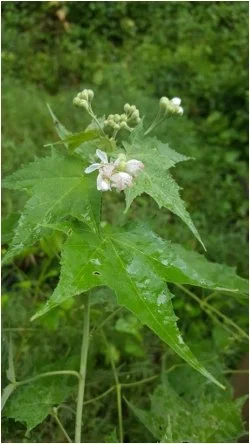
Virginia Mallow (Ripariosida hermaphrodita) | Photo by Sarver Ecological
Virginia Mallow Restoration Plan (PDF)
Highlights the ecological importance of this rare native species and the significance of the only known population inside the Beltway at the time of restoration.
Details restoration strategies, population monitoring, and pre‑ and post‑restoration mapping.
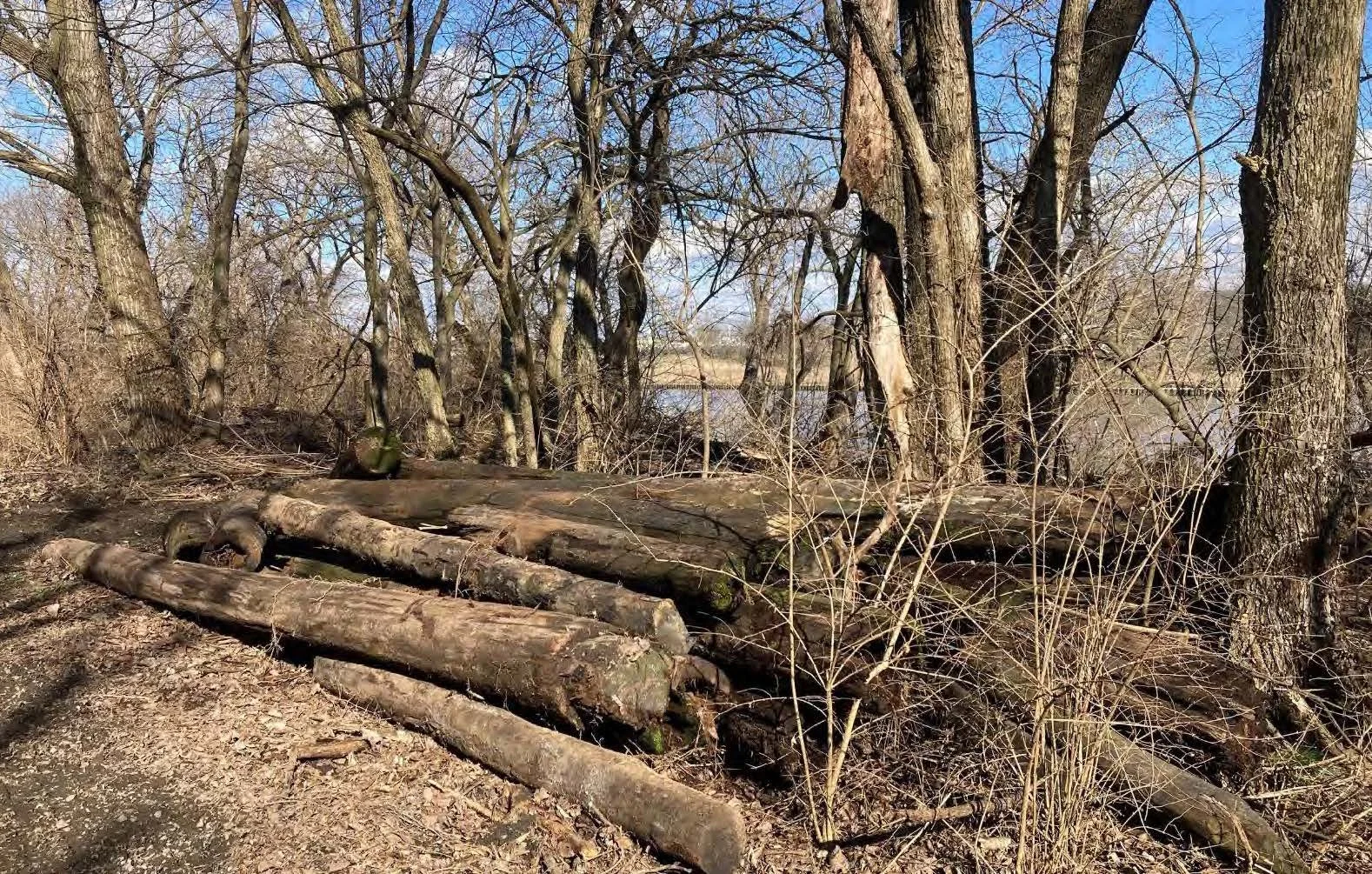
Debris Inventory and Removal Report (PDF links below)
Documents the assessment and removal of large debris, including metal trailers, I‑beams, creosote poles, appliances, and other materials.
Summarizes removal of more than 80 creosote poles and most large metal debris, with notes on remaining smaller items and future cleanup needs.
This report is broken into multiple PDFs due to the file size.
Photo by RES
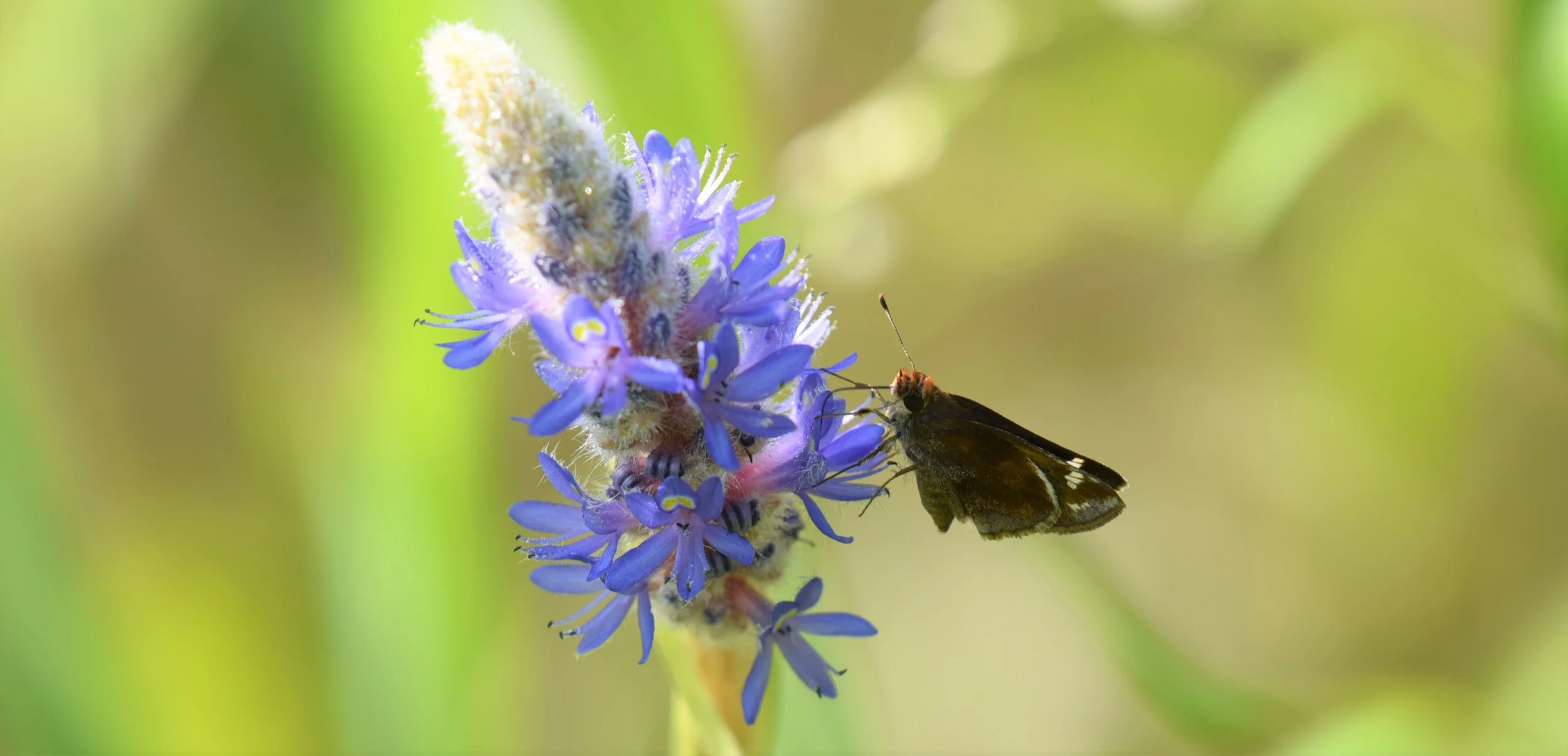
A skipper butterfly pollinating a flower on Kingman Island | Photo by Dan Rauch for DOEE
Final Restoration Assessment and Future Habitat Management Plan (PDF)
Summarizes restoration outcomes from 2023–2025, including reductions in invasive species and increases in native plant communities.
Provides forward‑looking management recommendations, a seasonal activity calendar, and updated invasive species mapping as of 2025.