KINGMAN + HERITAGE ISLANDS
Structures and Trails Design Project
Phase 2 (Concept Design) is here! Join us for an upcoming public meeting this fall.
Introduction

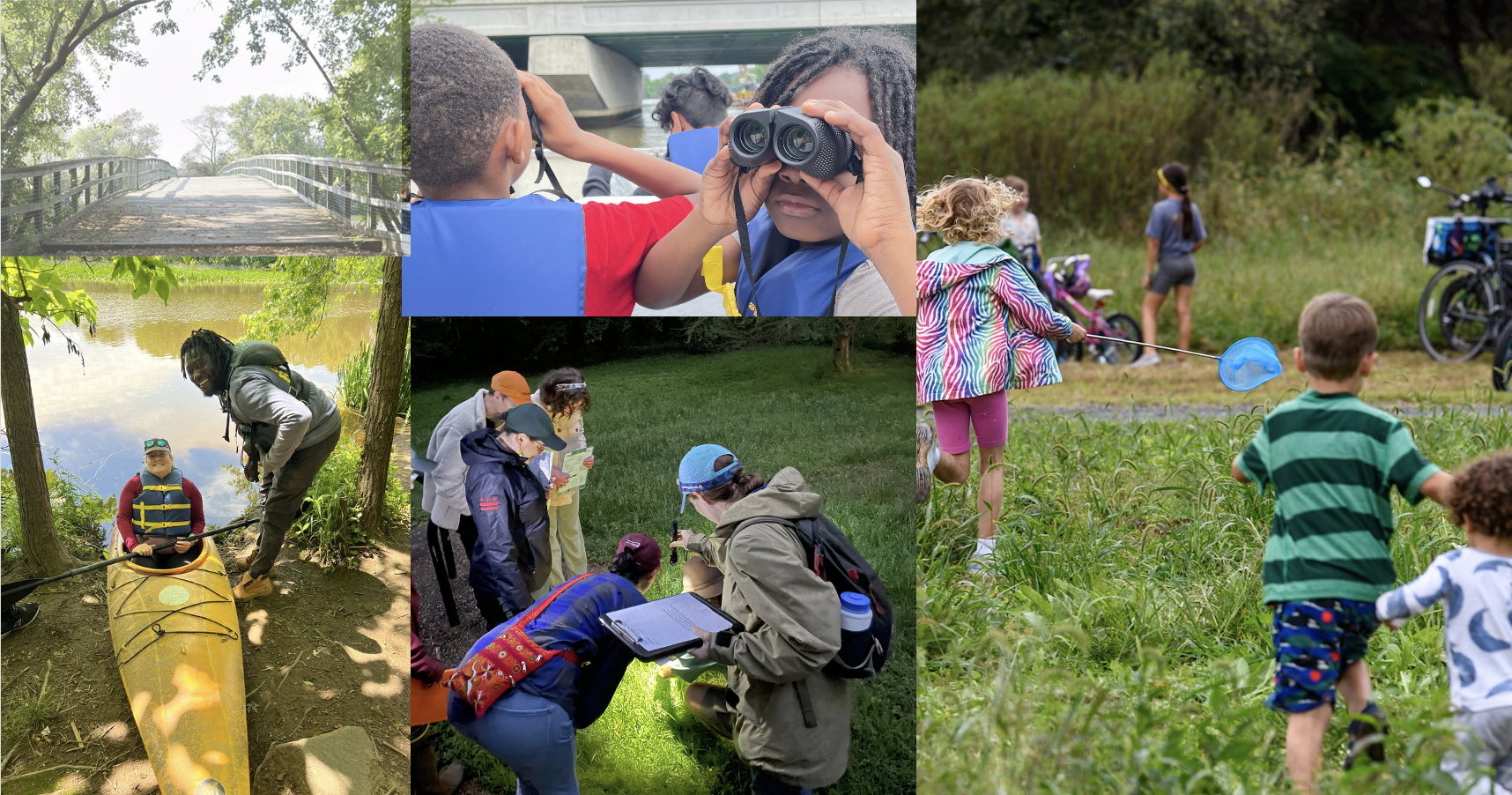
Kingman and Heritage Islands, Washington, DC's first State Conservation Area, serve as a natural oasis where children, residents, and visitors can experience rare ecosystems in the heart of the city. These tidal freshwater wetlands, vernal pools, wildflower meadows, swamp forests, upland forests, and riverine systems create living landscapes that support environmental education, recreation, and community connection. With more than 100,000 visitors each year, including thousands of students participating in outdoor learning, the Islands have become an important gateway for Washingtonians to connect with nature.
While these ecosystems are rich and resilient, they reflect decades of ecological pressure. DOEE recently completed a major restoration effort, removing 37 acres of invasive plants and introducing more than 36,500 native trees, shrubs, and perennials. However, the Islands continue to battle an invasive seed bank that has built up over 30- plus years. Continued restoration and maintenance will be critical to helping native plant communities establish, strengthen habitat, and support wildlife.
As visitation and educational programming grow, so does the need for safe, meaningful access to these natural resources. While the ecosystems already serve as outdoor classrooms, amenities such as trails, overlooks, gathering spaces, pavilions, and interpretive education centers are lacking. This project will create an updated, accessible trail system and thoughtful visitor infrastructure that protects sensitive habitats while creating welcoming places to explore, learn, and experience nature.
Background

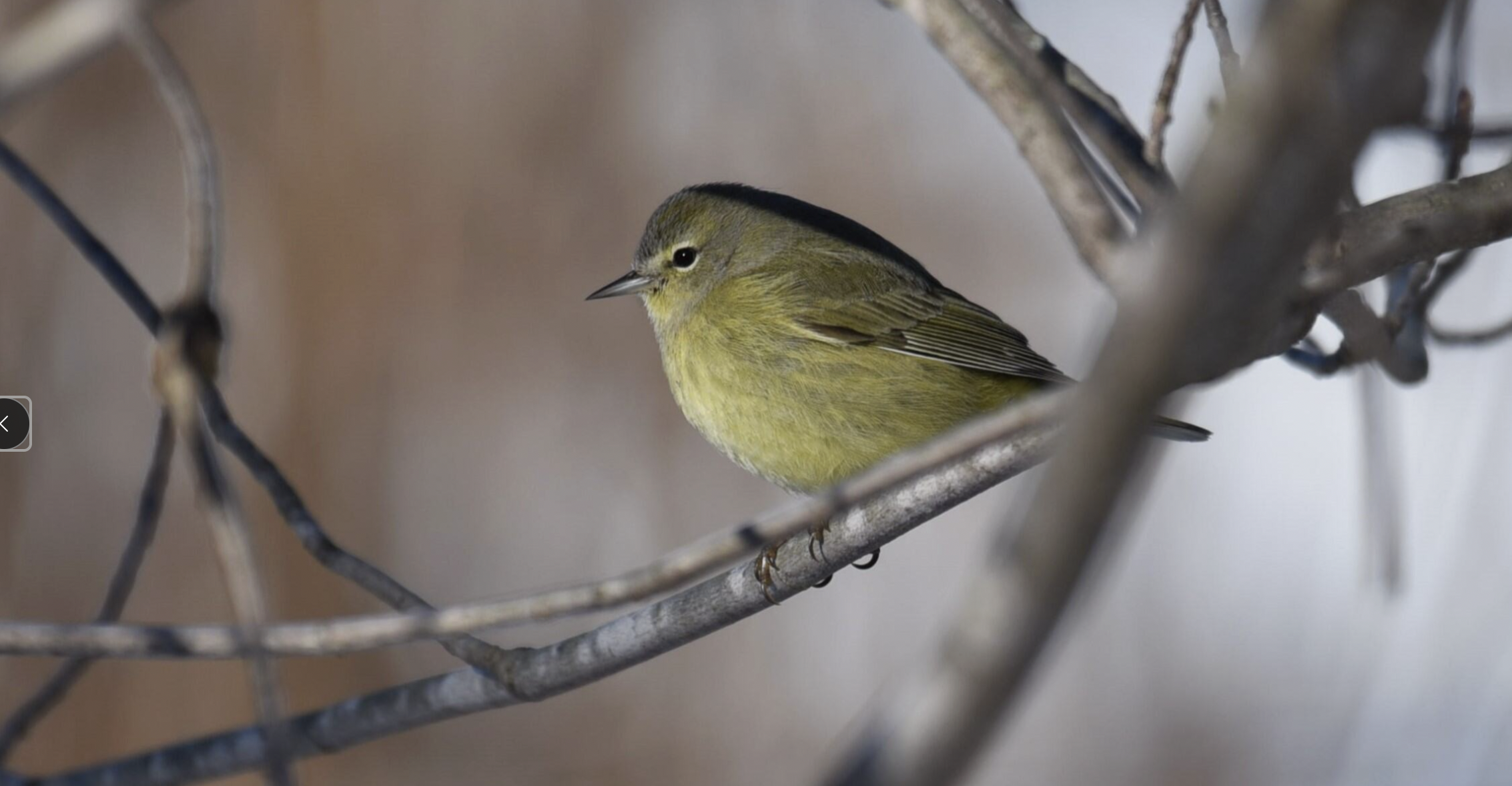
Orange-crowned Warbler (Leiothlypis celata), Photo by Dan Rauch for DOEE
Kingman and Heritage Islands were formed in 1916 through dredging activities in the Anacostia River and continued to be developed through the early 1930s. In 1997, ownership of the Islands was transferred from the federal government to the District of Columbia with a vision of preserving the site for nature, environmental education, and public enjoyment. Several planning efforts have helped guide that vision, including the District’s Environmental Literacy Plan and the 2017 Kingman and Heritage Island Planning and Feasibility Study. These efforts identified opportunities to expand environmental education, improve public access, and enhance the Islands’ role as a community resource.
Today, Kingman and Heritage Islands host educational programs for DC Public School students and workforce development opportunities through initiatives such as the Kingman Rangers, the Meaningful Watershed Educational Experiences, and Green Zone Environmental Program. As programming and visitation continue to grow, improvements are needed to better support learning, community engagement, and stewardship while protecting the Islands’ natural environment.
What We’ve Heard
Below are some things we’ve heard from our community that they would like to see at Kingman and Heritage Islands.
Keep Kingman Wild
Preserve the ecology as much as possible
Keep a very light footprint
Don’t overdevelop the land
Better Access
Update the trails
Make the trails more accessible throughout
Parking lot for buses would help access

Improved Amenities
Restrooms + shade structures to improve programming
Centralized bins of education resources would save educators time
Other Suggestions
Add more art
Include boat storage
Goals

Ensuring visitors can reach, see, understand, and meaningfully participate in the Islands' natural resources as we continue restoring and strengthening these ecosystems.
Access
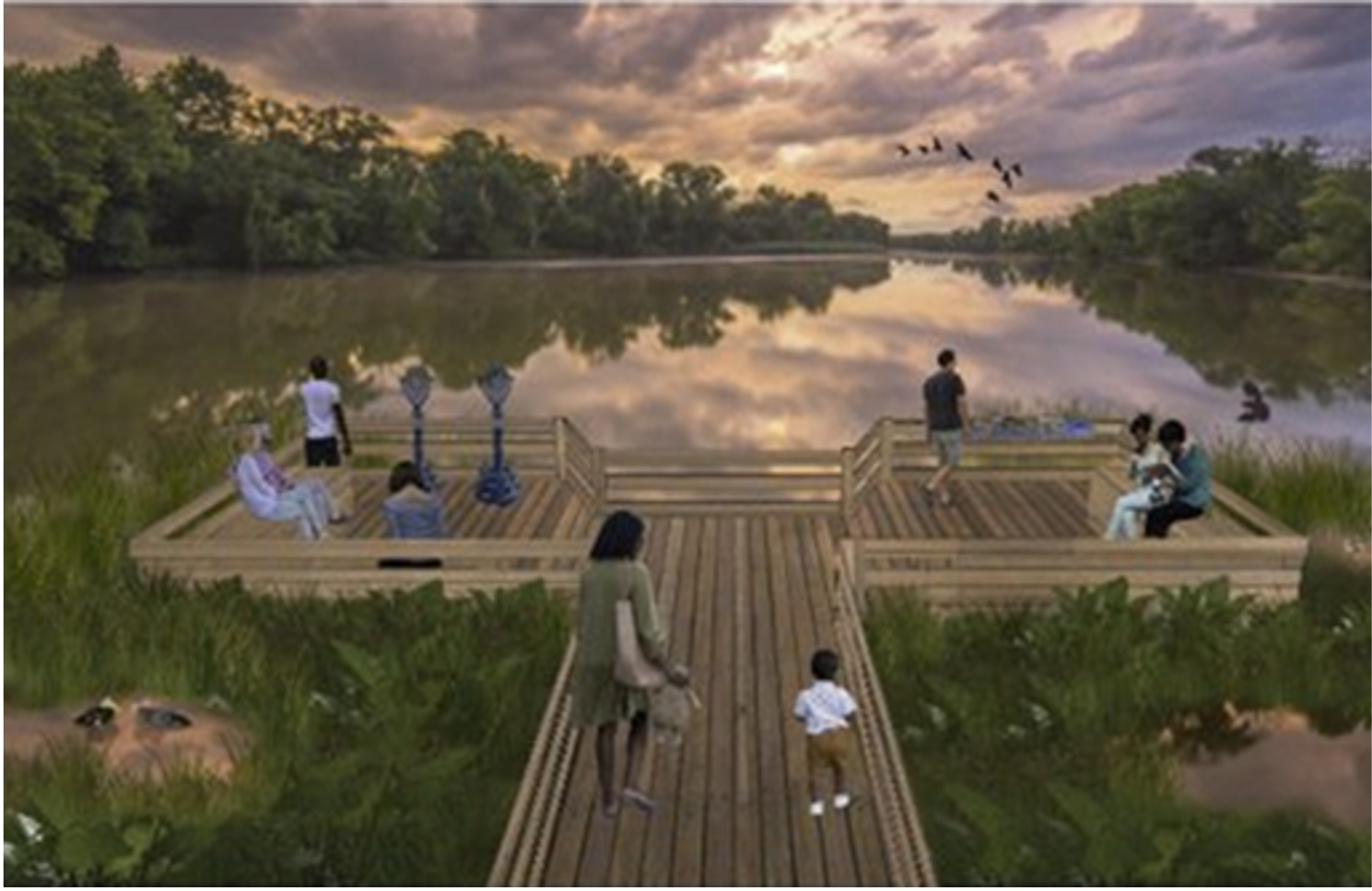
Improve safe access to the Islands from surrounding communities, including through wayfinding and interpretation.
Trails
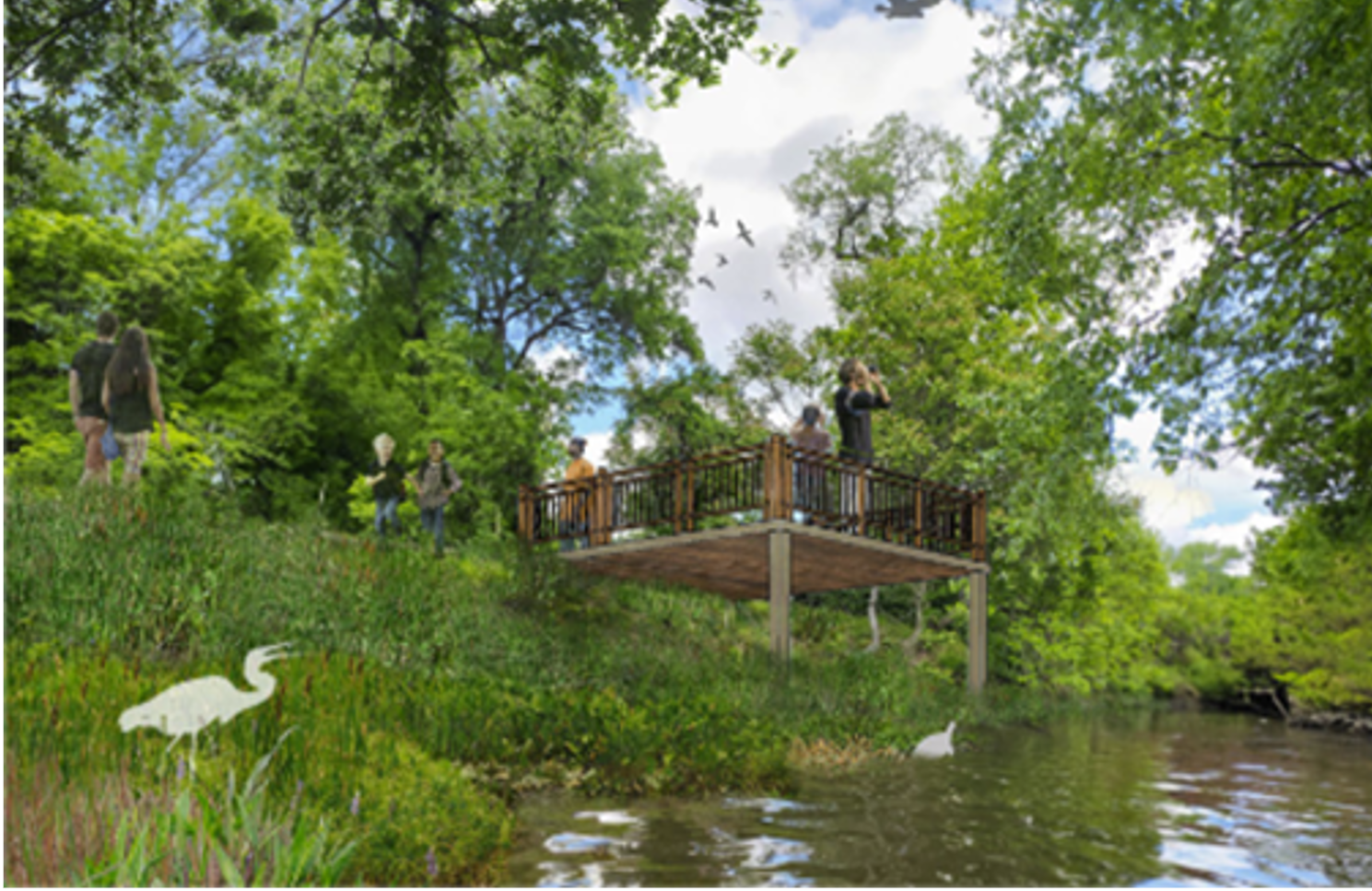
Update the trail system to protect sensitive habitats while ensuring access to the natural wonders of the islands.
Structural Amenities
Create new educational and interpretive spaces and structures to provide opportunities for hands-on learning and environmental exploration.
Design
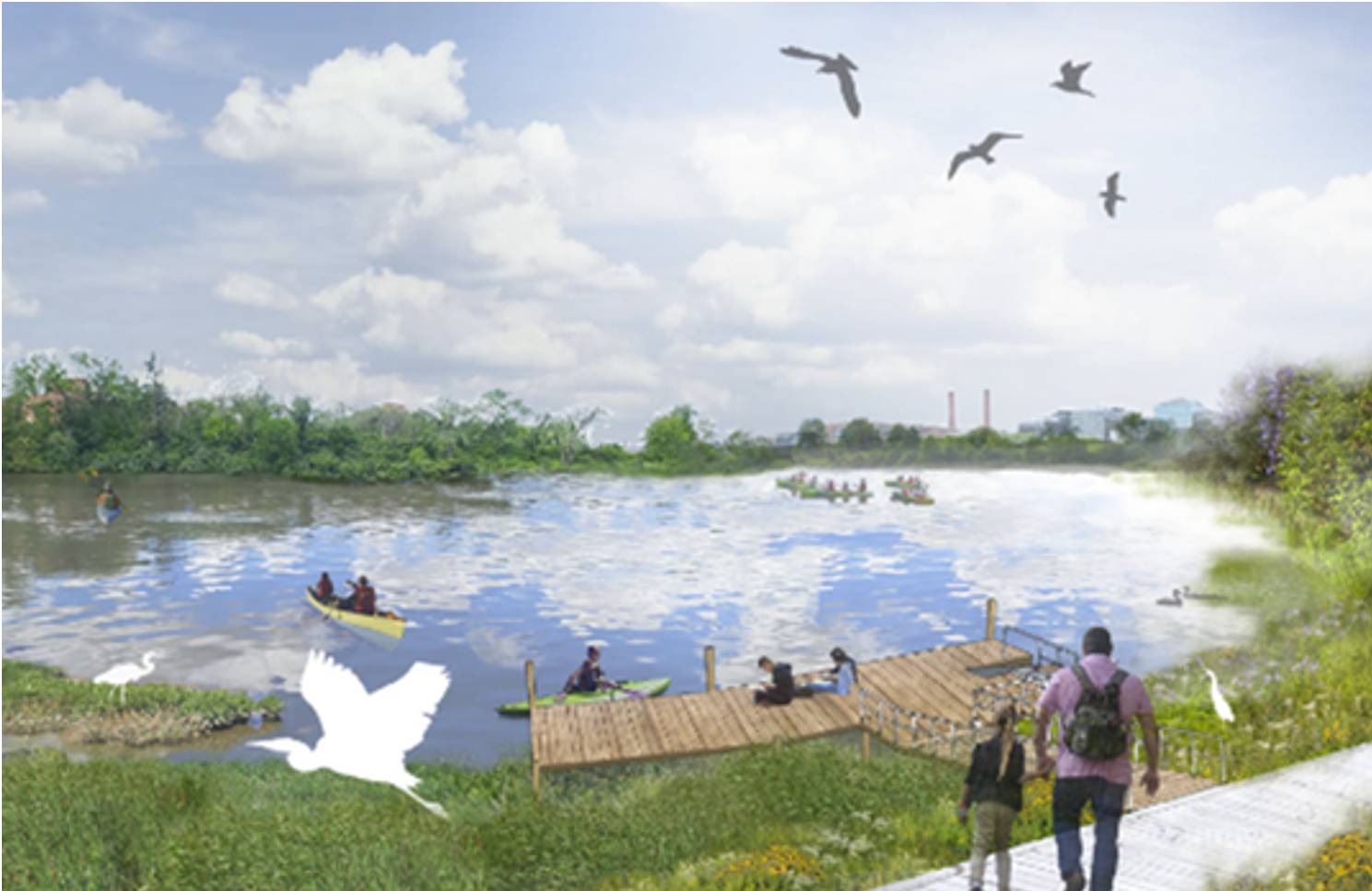
The images shown below are examples from past plans and existing parks and are meant to spark inspirations and start conversations on what would be best for Kingman and Heritage Islands. Actual design concepts will be created based on the public's feedback.

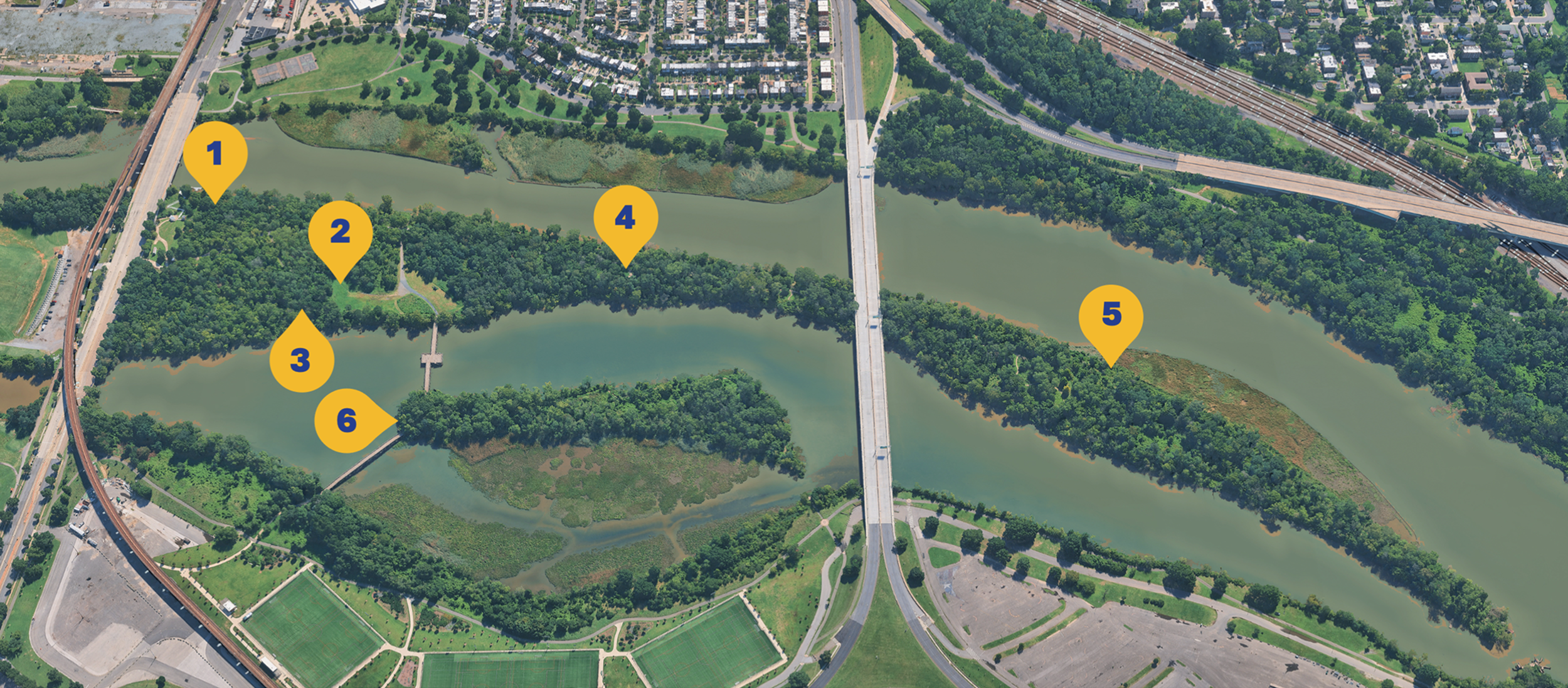
Boating Classroom
Create a waterfront learning environment to store paddle craft and provides direct access to the river for hands-on education and recreation.
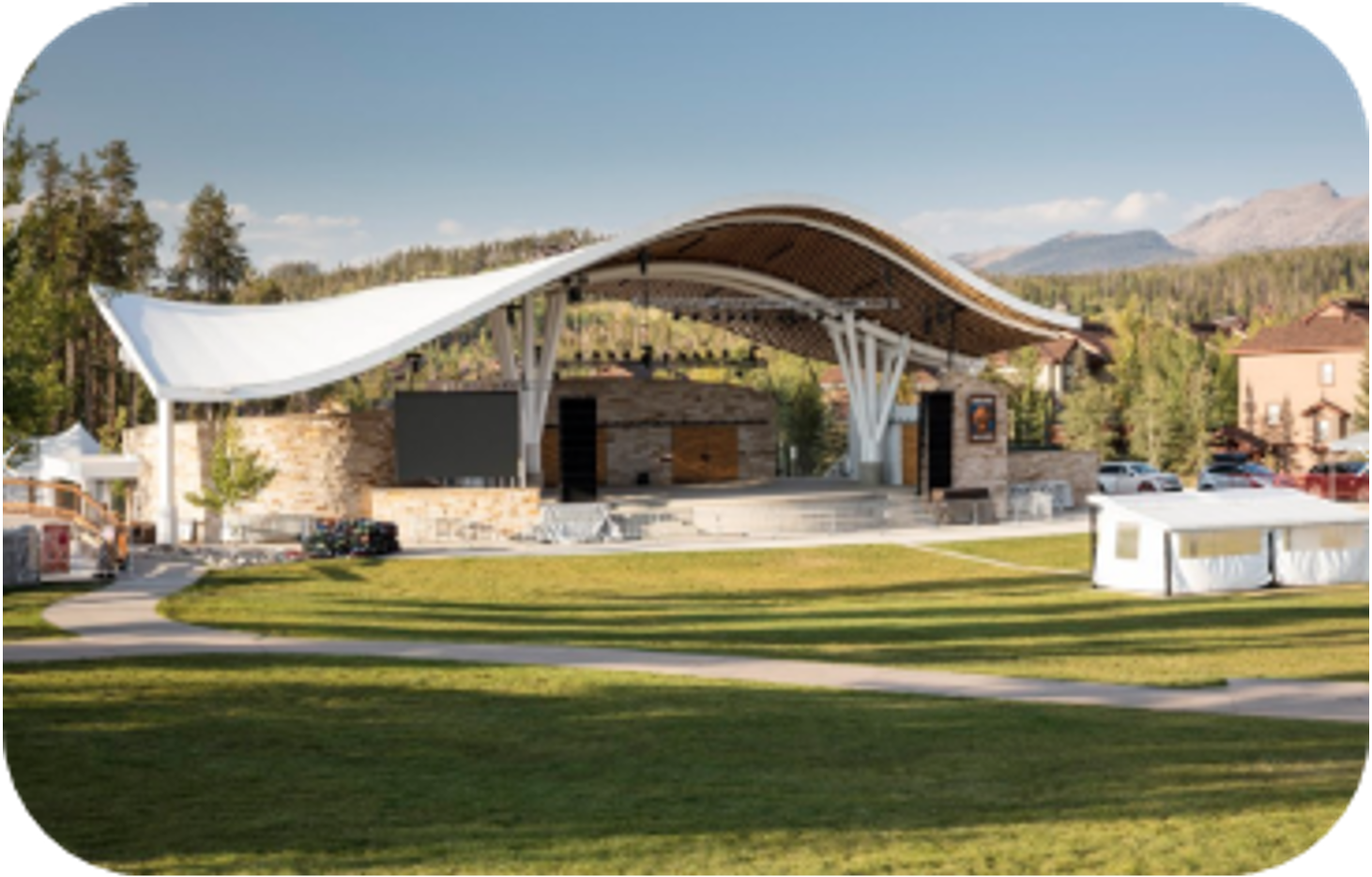
Meadow Pavilion
Leverage the Islands’ largest open space to serve as an outdoor classroom and community gathering area.
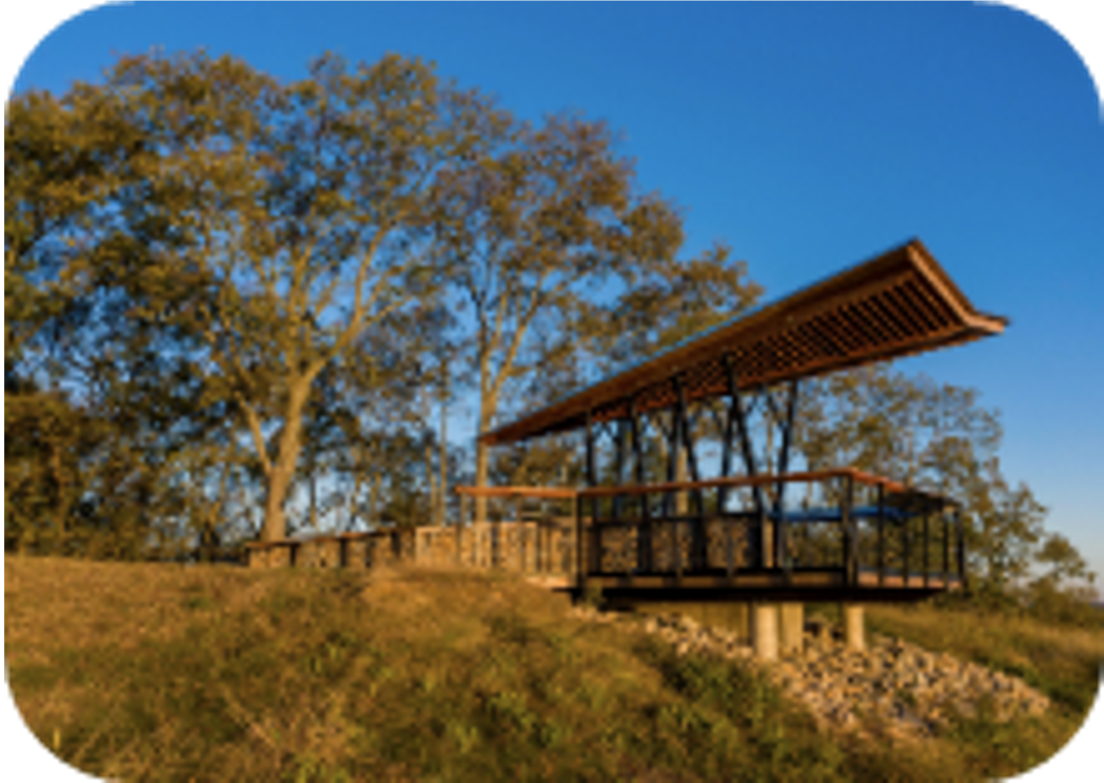
Float Classroom
Provide a viewpoint and floating dock for paddle craft to enhance a student’s ability to learn about the river’s ecosystems and habitats.

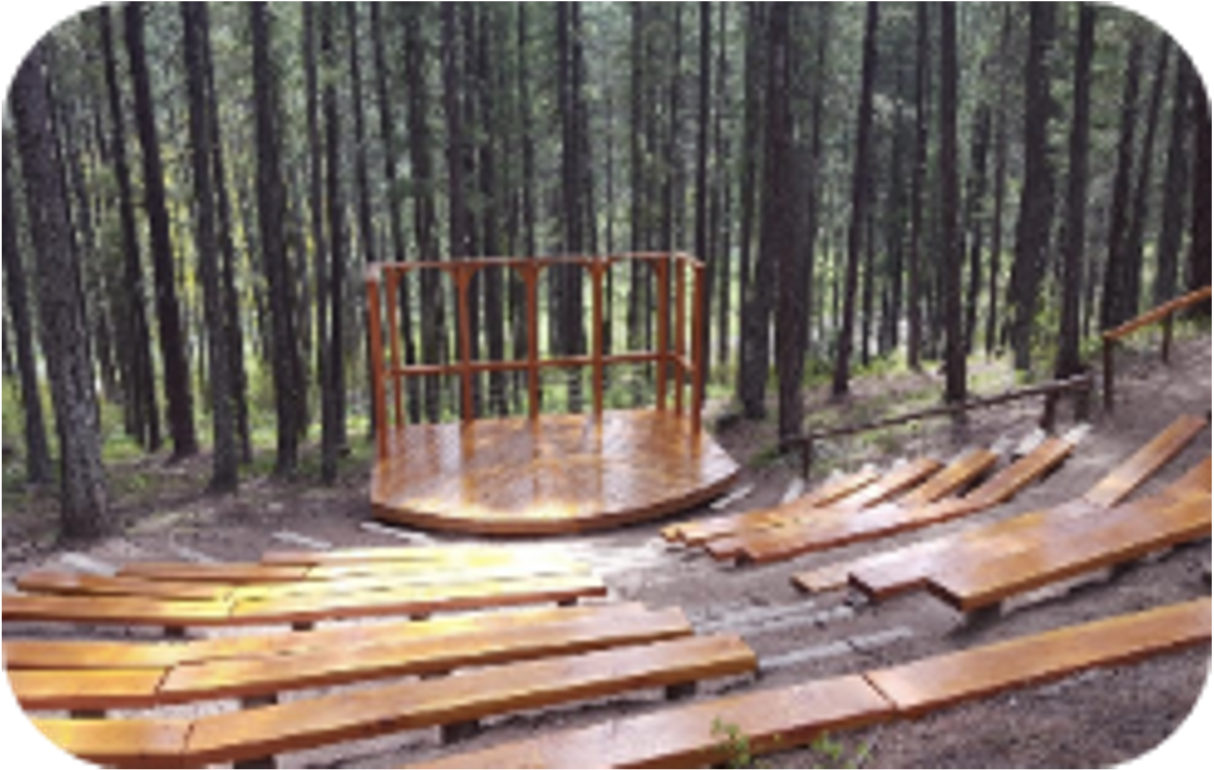
Understory Classroom
Transform an underutilized space into an educational destination that highlights the layered structure of a forest ecosystem.
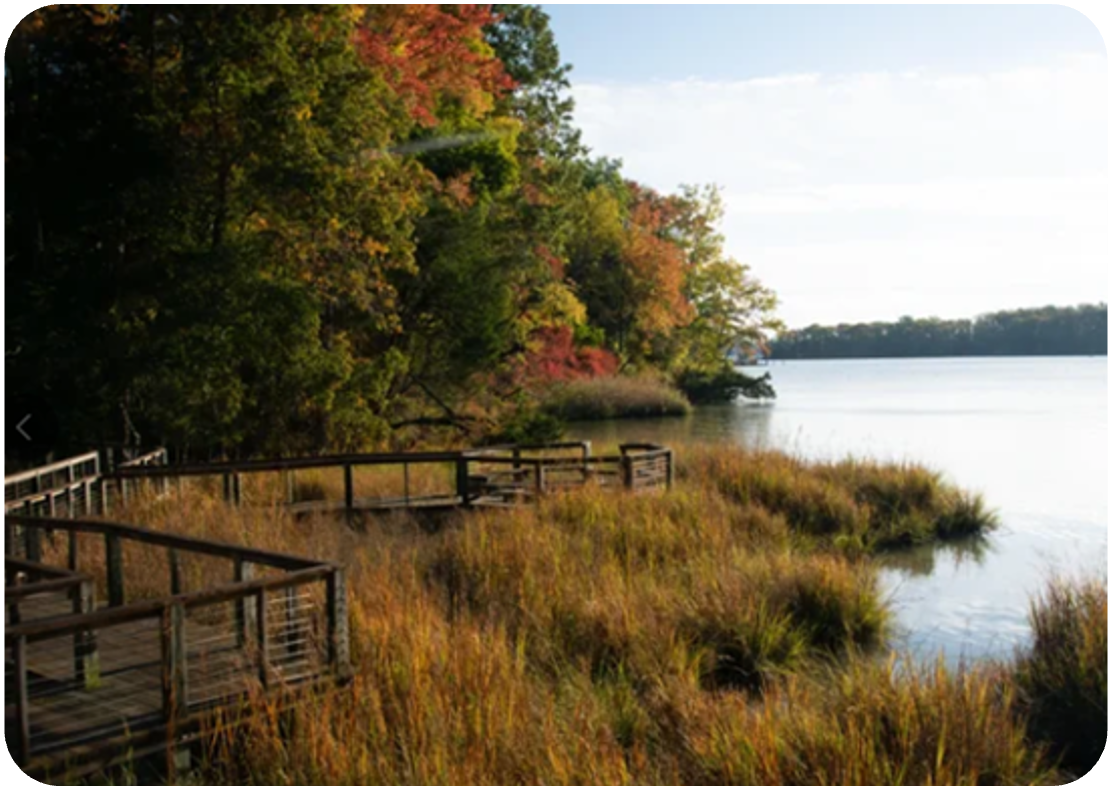
Eagles Overlook
Utilizes the elevations at this location to provide views of the rivers, marshes, birds and other wildlife.
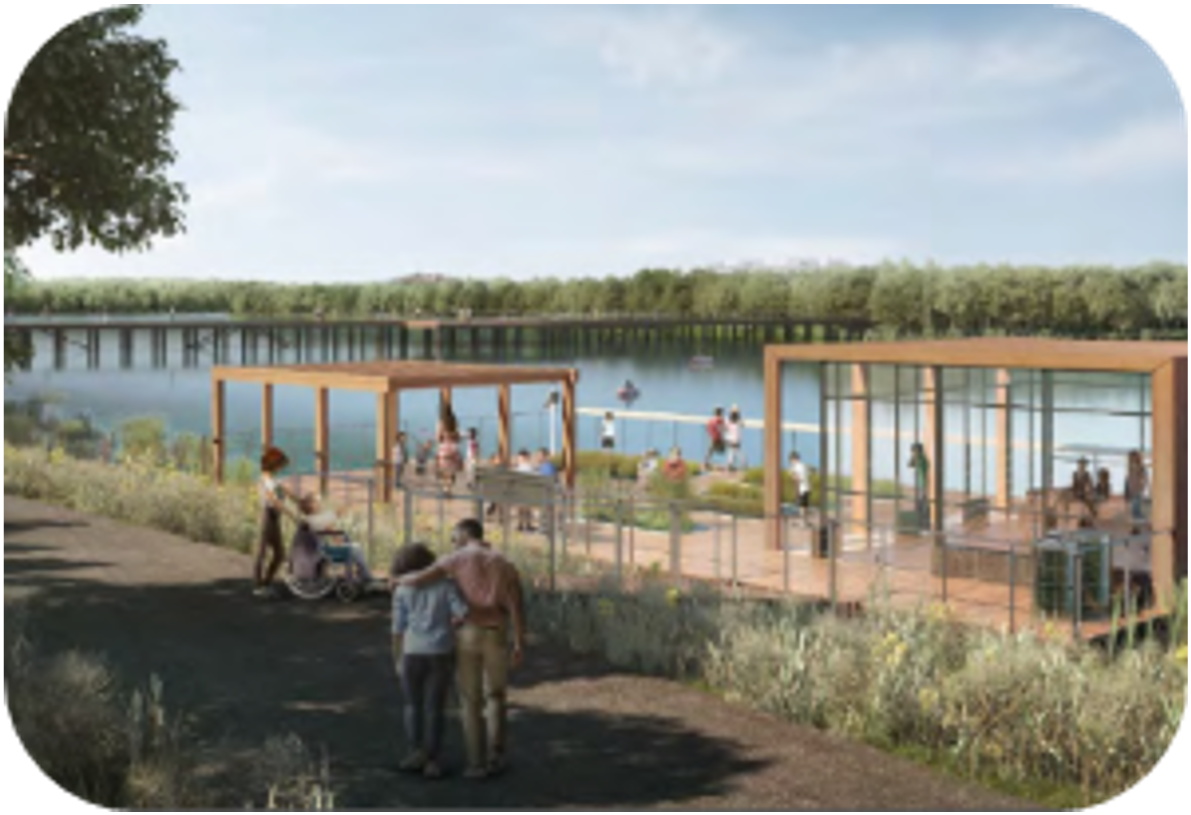
Marsh Landing
Create an accessible outdoor classroom and gathering space that connects the existing bridges and enhances access to the waterfront.
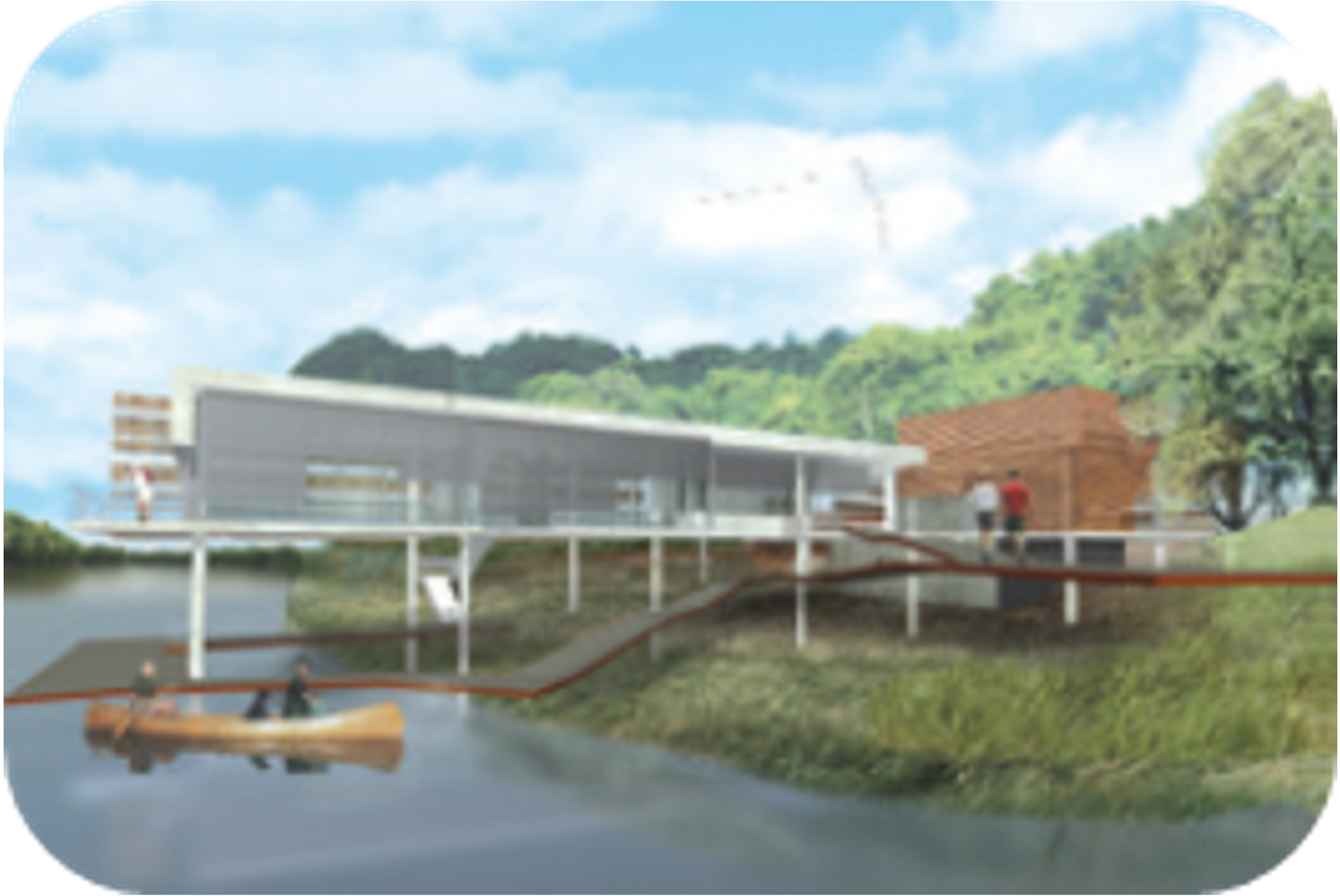
Kingman Center Concept
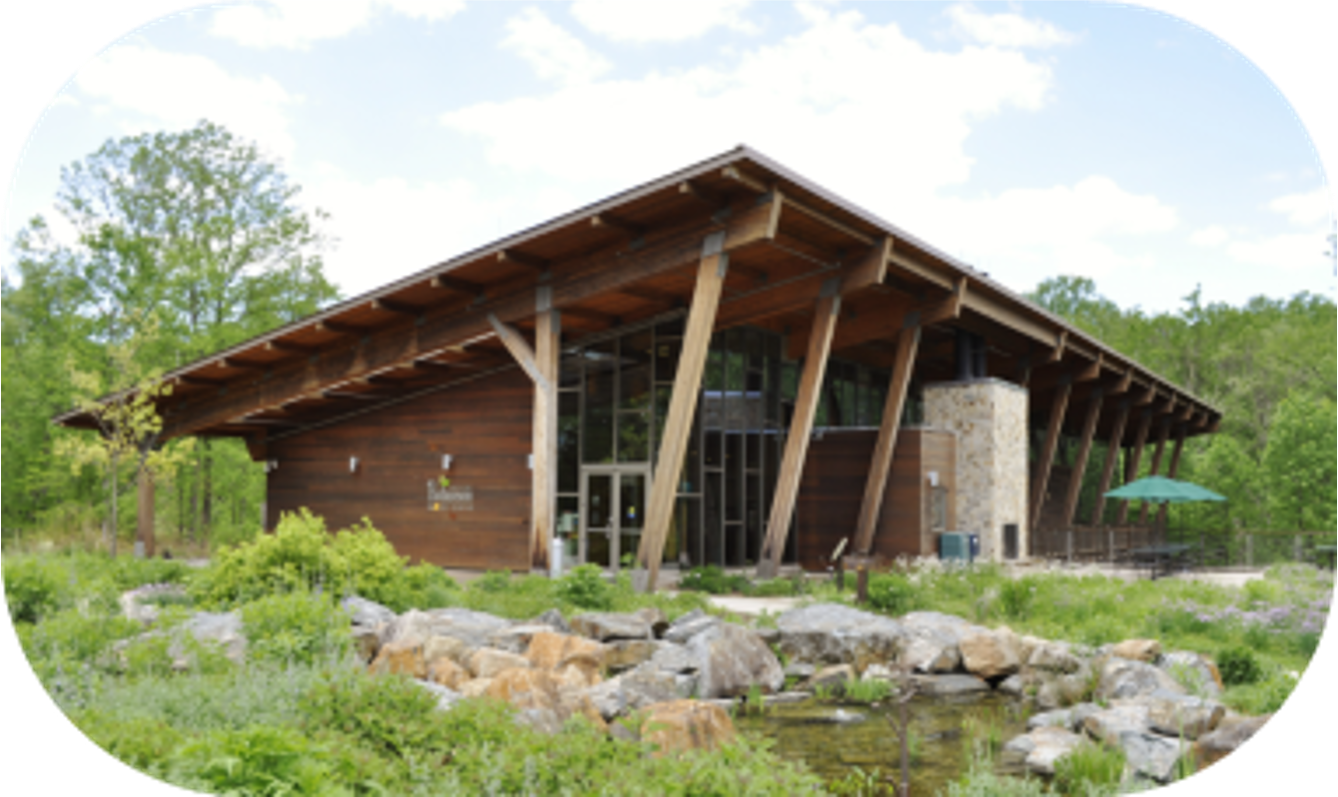
The Kingman Center is the focal point for access to Kingman and Heritage Islands, the river, natural resources, and environmental education.
OTHER INITIATIVES
Improve trails and trail connections
Create 15% designs for a cycling and pedestrian path under Benning Road
Revitalize the Benning Road Entry
Create various trailside features
Learn about other major initiatives happening on Kingman:
We’d love to hear your thoughts!
The Pre-Design Phase open comment period is now closed.
Check back soon for information about the Concept Design Phase, which will kick off this fall.
Project Timeline

WE ARE HERE
PHASE
Obtain and review past reports, including community feedback
Conduct existing conditions investigation
Conduct 8 community meetings, site walks, and design charettes
1
MAY 2026 - AUGUST 2026
Research & Pre-Design
Develop concept design alternatives with cost estimates
Develop Kingman Center preliminary design (15%CD)
Conduct 7 community meetings, site walks, and design charettes
2
SEPTEMBER 2026 -JANUARY 2027
Concept Design
Develop the preferred designs selected in Phase 2
Develop interpretive signage material
Conduct 8 community meetings, site walks, and design charettes
3
JANUARY 2027 - MAY 2027
Semi-Final Design
Finalize designs based on previous Phase work and input
Attend 6 ANC meetings and conduct 2 community meetings
Obtain project permits & solicitation for construction
4
JUNE 2027 - MARCH 2028
Final Design & Permitting
Stay in the Loop
Newsletter
Subscribe to stay up to date!
Public Meetings
The public meetings schedule for Phase 2 (Concept Design) is now available. We hope to see you soon!
Kingman Island Friends and Family Day
Saturday, October 17th, from 11:00 AM - 3:00 PM: Design Station
Space and Connection
Monday, October 26th, from 6:00 - 7:00 PM: Virtual Charrette (with ASL interpretation)
Wednesday, October 28th, from 10:00 am- 12:00 pm: In-Person Charrette at Southeast Library
Defining Characteristics
Monday, November 2nd, from 6:00 - 7:00 PM: Virtual Charrette
Tuesday, November 10th, from 10:00 AM - 12:00 PM: In-Person Charrette at Southeast Library
Saturday, November 14th, from 10:30 AM - 12:30 PM: In-Person Charrette at Benning/Dorothy I. Height Library
Accessibility accommodations are available upon request. Please indicate your needs in the registration form or contact destinee.mitchell@dc.gov.
Events
Visit our events page to see what’s coming